
"mucilage drying"
200 article(s) found

Grinding scale Flavor description of Coffee beans treated with Guatemalan Honey
Grinding scale Flavor description of Guatemalan Honey Coffee beans Water shampoo is the most common way to deal with Arabica coffee beans in most coffee-producing countries in the world. Some areas also use advanced high-pressure washing machines to clean the peel, pulp and mucous membrane of coffee beans, so fermentation is no longer needed. This method of using a high-pressure washing machine to treat coffee beans is called

What is the effect of coffee honey in treating coffee honey?
Skin/Pulp: the outermost layer of coffee beans is covered with berry-like skin and pulp. In addition to the natural sun method, coffee beans treated by other methods must remove the skin and flesh within a few hours after picking. Similar to the cherries we often eat, the difference is that when we eat cherries, we mainly eat the pulp and peel of berries. For coffee.

What is the difference in flavor and taste between water washing and sun treatment of coffee beans?
The difference in flavor and taste between washed and tanned coffee beans lies in where the peel and Skin/Pulp are: the outermost layer of the coffee bean is covered with berry-like skin and pulp. In addition to the natural sun method, coffee beans treated by other methods must remove the skin and flesh within a few hours after picking. It is similar to the cherries we often eat, but the difference is that we are in

Flavor description of fermentation process of Ethiopian Coffee washing method
Flavor description of the fermentation process of Ethiopian coffee washing method 1 peel and pulp (Skin/Pulp): the outermost layer of coffee beans is wrapped in berry-like peel and pulp. In addition to the natural sun method, coffee beans treated by other methods must remove the skin and flesh within a few hours after picking. It is similar to the cherries we often eat, but the difference is that I

Introduction to the treatment of Coffee Soybean Honey introduction of three major treatment methods of coffee beans
We know that the three treatment methods of raw coffee beans can be divided into three types. The distinction between each method is based on the fact that several layers of matter are removed from the fruit before the coffee is dried. The following is a list of the three major processing methods: 1. Natural sun treatment: retain all substances 2. Honey treatment: remove the peel and pulp and retain part or all of the mucous membrane (honey) 3. Washing method

Description of Taste and Flavor of Coffee and Bean washing method introduction to Grinding and Calibration treatment of varieties in producing areas
Coffee bean washing method to describe the taste and flavor of the variety producing area grinding scale treatment method introduces that the mucous membrane has strong adhesion and is not easy to remove. It must be placed in the trough for about 18-36 hours to make it mellow and decompose the mucous membrane. There are two methods of fermentation, namely wet hair alcohol and dry hair alcohol, as the name implies, the former adds water, the latter does not add water. In the process of getting mellow, the seeds and internal pulp will be produced.

Introduction to the processing methods of coffee berries with different maturity
Introduction to the processing of coffee berries with different maturity 1 peel and pulp (Skin/Pulp): the outermost layer of coffee beans is wrapped in berry-like peel and pulp. In addition to the natural sun method, coffee beans treated by other methods must remove the skin and flesh within a few hours after picking. It is similar to the cherries we often eat, but the difference is that we mainly eat cherries.

Description of Ethiopian Flavor in Coffee planting and Primary processing introduction of varieties produced by taste treatment
Coffee cultivation and initial processing description of Ethiopian flavor, taste treatment, regional variety introduction what is Ethiopia like? In the endless African prairie, a group of casual zebras are bowing their heads to graze, while in the lush primeval forest, a group of noisy monkeys are playing in the trees and are embarrassed to go to the "animal world". No, no, no. no, no, no. Get to know Esther.
A brief introduction to the taste treatment method of the difference between washing and solarization of Kenyan coffee
There are two types of coffee farms in Kenya, one is a large planting farm covering an area of more than five acres, but the average elevation is low, as far as Kenyan coffee is concerned, the coffee bean quality of the big farm is only medium. The best Kenyan beans come from small farms, mostly in the foothills or fire above 5,000 to 6,000 feet.

Flavor characteristics of anaerobic fermented coffee in Huoyanshan, Costa Rica? Where are the anaerobic fermentation processes?
Professional coffee knowledge exchange more coffee bean information please follow the coffee workshop (Wechat official account cafe_style) anaerobic fermentation process 1. Coffee cherry flavors are more concentrated in mucilage (pectin and mucus) than in seeds (seeds). two。 Affected by the maturity, variety, seasonality, soil and water and other factors, different pectins have different sweetness and quality.

Description of Flavor of Coffee beans treated with Solar Water and Honey
Description of flavor of coffee beans treated with sun water and honey 1. Selection of beans: put the harvested fruits in a sink filled with water and soak for about 24 hours. At this time, ripe fruit will sink, while immature and overripe fruit will float up and can be removed. 2. Remove the pulp: use a machine to remove the skin and pulp, leaving only the coffee beans wrapped in the endocarp. At this time

Coffee and bean honey treatment method introduction of high-quality coffee bean treatment method
Silver Skin/Chaff: there is a thinner film inside the parchment that wraps the coffee beans. Because the color is glossy and silvery, people used to call it silver skin. This layer of silver will fall off during baking. Usually when you grind the coffee, you find some silver crumbs in the coffee powder. These crumbs are the silver skins that fail to peel off the coffee beans during baking. 5. Coffee

A brief introduction to the History and Culture of the Origin and Development of Brazilian Hilado Fine Coffee beans
Cerrado Syrador is a producing area. Cerrado Syrador coffee beans are treated by Brazilian traditional pulp natural drying (Pulped Natural). Because coffee beans are dried with pulp (Pulp) and pectin (Mucilage), they retain high organic matter, minerals and soluble solids. This kind of coffee bean has a strong aroma and is slightly sweet with Qiaokoli.
Observe the 10 elements of raw coffee beans
The raw bean seller is mainly responsible for grading the coffee beans before selling them to the coffee bean merchant. After the grading is completed, premium coffee beans and boutique coffee beans will be selected, although they will have some defects but do not affect the coffee rating. These defects are not so serious, but they can also cause potential damage to the quality of coffee. Although Cupping is undoubtedly the most definite way to check coffee beans.

Introduction to Coffee planting and Primary processing of Ethiopian species and characteristics of Manor
Characteristics of Coffee cultivation and Primary processing in Ethiopia ET has long been one of the top ten coffee producing areas in the world, and is a pioneer in Africa. ET has a federal department, the coffee and tea Authority, that specializes in coffee and tea-related matters, such as setting purchase prices for washing plants. ET produces a lot of coffee, but it is different from other producing countries.

Description of Flavor of Coffee beans treated by Water washing and Solar treatment varieties of Grinding scale
Flavor description of coffee beans treated by washing method and sun treatment variety introduction of grinding scale 1, bean selection: put the harvested fruit in a sink filled with water and soak for about 24 hours. At this time, ripe fruit will sink, while immature and overripe fruit will float up and can be removed. 2. Remove the pulp: use a machine to remove the peel and pulp, leaving only the coffee wrapped in the endocarp.

Description of coffee flavor in Incht Manor, Guatemala introduction to the taste of boutique coffee beans
The Huitz Matig Manor in the South Fruit region of Vivette, Guatemala, won the first place in COE in 2005. At the time of harvest, half of it is still in harvest. The manor is located deep in the mountains and has no access to electricity. Therefore, the use of mountain springs, self-hydro power to refine coffee. The use of water flow for specific gravity separation, the use of hydraulic power will be with pulp, mucilage seeds to improve dry hair
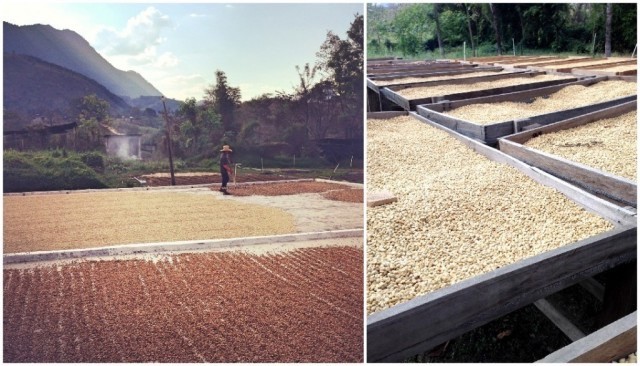
The treatment of coffee beans Coffee "honey treatment"
With the development of coffee today, the treatment of raw beans is mainly divided into water washing, sun exposure and the combination of the first two. Honey treatment belongs to the latter. To talk about honey treatment, we have to talk about boiling water washing and sun treatment from the coffee structure and the two oldest treatment methods. Coffee cherry structure from outside to inside Pulp: coffee cherry peel pulp Mucilage: pectin, gum. Save
Selection and purchase of raw coffee beans (industry)
How to buy raw beans? What kind of raw beans are good raw beans? Raw bean sellers (usually coffee farmers or processing plants that deal with raw beans) must be responsible for the grading of coffee beans before they are sold to buyers (usually importers, brokers, or bean merchants). Once the grading is completed, the two grades of coffee are "Exceptional" and "Specialty".